Plumber Near Me: What Licensed Contractor Oversight Means for You
When people search for a plumber near me, they are usually dealing with a problem that feels immediate. Water is dripping where it should not. A drain is backing up. A tenant is waiting. A business cannot open a restroom. A water heater stops cooperating at the exact wrong time. In that moment, the search often starts with speed.
Speed matters, but in Hawaii, so does something many property owners do not think about until later: licensed contractor oversight.
That phrase can sound bureaucratic, but on the ground it means something very practical. It affects who is legally allowed to do the work, who can supervise helpers or apprentices, what kind of repair can be handled under a narrow exception, and what level of accountability exists if the job turns out to be more than a simple fix. If you are hiring a plumber Kona residents trust for a home, rental, or business property, understanding that oversight can save time, money, and a serious amount of frustration.
Why oversight matters before the first wrench turns
Plumbing is one of those trades where small mistakes have a way of becoming expensive. A poor connection can stay hidden inside a wall for weeks. A bad judgment call on a line can turn what looked like a localized issue into a larger repair. On commercial properties, one plumbing failure can interrupt customers, staff, sanitation, and operations all at once.
In Hawaii, plumbing is a licensed profession. A person may not act or hold themselves out as a plumber without a license, and plumbing work generally must be performed by a licensed journey worker plumber or master plumber. Apprentices and helpers can be involved, but only under supervision. That is not a technicality. It is a baseline consumer protection.

A lot of homeowners think of licensing as paperwork. In reality, oversight changes the whole chain of responsibility. It affects who diagnoses the problem, who actually performs the work, and who is answerable for the result. It also matters because the state’s contractor framework is tied to oversight through the Department of Commerce and Consumer Affairs, and plumbing contractors are expected to employ licensed plumbers to perform the actual work.
If you have ever had one contractor promise one thing on the phone and send someone else entirely to the property, you already understand why that distinction matters.
What “licensed contractor oversight” really means in practice
There are two layers people often blend together. The first is the individual plumbing license. The second is the contractor side of the business. For a property owner, both matter.
The individual license speaks to who is qualified to perform plumbing work under Hawaii’s rules. The contractor side speaks to the business structure and state oversight involved in offering those services to the public. The state has made it clear that electrical and plumbing contractors must employ licensed electricians or plumbers to do the actual work. That is a meaningful standard because it helps prevent a situation where a company markets itself broadly, but the person turning valves or opening walls is not the properly licensed trade worker the customer expected.
This becomes especially relevant when the service request sounds simple at first. Someone may call for drain cleaning, assuming it is routine. But drains can lead to a more complicated diagnosis. A backing-up fixture might be caused by a local obstruction, or it could point to a bigger issue that touches a branch line, a larger drainage problem, or a sewer-related concern. The difference between a quick service call and a broader repair often comes down to trained judgment made on site.
That is where supervision rules matter. Hawaii allows apprentices and helpers to work under supervision, but the licensed journey worker or master plumber remains central to the quality and legality of the work. If a company is operating properly, the structure is not casual. It is not a free-for-all.
The emergency exception, and why people misunderstand it
This is one area where homeowners regularly get tripped up. Hawaii law includes a limited exception for emergency plumbing repair work in a person’s principal residence. Read too quickly, that can sound like a blanket permission to let almost anyone fix almost anything during a crisis. It is not.
The exception is narrow, and it does not apply to some of the very jobs that people tend to label emergencies. It does not apply to sewer lines, drains, gas lines, or certain fixtures such as heaters and water closets.
That means a homeowner facing what feels like an urgent issue still needs to be careful about assumptions. A backed-up drain is stressful, but it falls outside that exception. A water heater problem may feel urgent, especially in a household where hot water matters every day, but heaters are specifically among the excluded fixtures. The same caution applies to sewer-related work, which many people first notice as a sudden emergency.
So if you are calling an emergency plumber, the emergency itself does not erase the licensing rules. It is exactly the kind of moment when those rules matter most, because urgent situations are where rushed decisions and bad hires tend to happen.
I have seen property owners focus so hard on getting somebody there in the next hour that they stop asking the basic question: who is actually authorized to do this work? That can be an expensive blind spot.
Why this matters for common service calls
Many of the services advertised by plumbing providers in West Hawaii and Kailua-Kona are familiar to both homeowners and commercial property managers. Local listings show businesses offering residential and commercial plumbing, commercial plumbing installation, drain cleaning, sewer line repair, water heater repair and installation, leak detection, and solar water heating work. Those are not all the same kind of call, and they do not carry the same legal or practical implications.
Take water heater repair. To many owners, it sounds like appliance service. In practice, it sits inside the plumbing world in a way that deserves proper licensed handling, especially in Hawaii’s regulatory framework. The same is true for solar water heater repair. A solar water heating system can seem specialized or mechanical enough that people mentally separate it from plumbing oversight, but that is not a safe assumption to make when hiring.
Then consider sewer line repair. Customers often use that phrase for any serious drain or waste issue, but legally and practically it is a bigger category than “my sink is slow.” Hawaii’s emergency exception specifically does not apply to sewer lines or drains, which tells you a lot about how carefully this work is treated.
On the commercial side, commercial plumbing installation raises the stakes further. A restaurant, retail site, office, or mixed-use property cannot afford guesswork. One issue can affect sanitation, customer access, and tenant expectations at the same time. If you are hiring a commercial plumber, oversight is not just about legal compliance. It is about operational discipline.
Kona property owners have a local reason to pay attention
When people look for a plumber Kona property owners can call, they are not only looking for a truck nearby. They are looking for someone who can navigate the type of work common in the area and do it within Hawaii’s licensing framework.
That matters because local providers commonly advertise a broad menu of services. One company may present itself as able to handle residential repairs, commercial projects, leak detection, hot water systems, and drain or sewer work. That breadth can be a plus, but it also makes it more important to understand whether the work will actually be performed by licensed plumbing personnel and under proper contractor oversight.
This is especially true for owners of older properties, investment homes, and buildings with multiple occupants. The first visible symptom is not always the true problem. A complaint about low hot water may lead to a water heater repair call. A repeat clog may turn into sewer line repair. A business renovation may begin as fixture replacement and expand into commercial plumbing installation. The legal and professional structure behind the company matters more as the scope shifts.
Continuing competency is not just a formality
One detail that often gets overlooked is continuing competency. Hawaii plumber license renewals currently require continuing competency in the 2021 Uniform Plumbing Code for the present renewal cycle ending June 30, 2027.
For consumers, that may sound abstract, but it points to something useful. Licensing is not a one-time event frozen in the past. The state expects ongoing competency tied to the plumbing code. That should give property owners some confidence that the oversight system is intended to keep pace with current standards, not simply reward someone for having entered the trade years ago.
You do not need to become a code expert to benefit from that. You just need to recognize the difference between hiring within a regulated framework and hiring outside it. The first gives you a structure built around licensed work and continuing competency. The second leaves you relying mostly on luck and verbal assurances.
What to ask when you call
When someone is searching “ plumber near me,” the first phone conversation tends to be rushed. A calmer approach usually produces a better result.
Here are five questions worth asking before scheduling work:
- Will the plumbing work be performed by a licensed journey worker plumber or master plumber?
- If apprentices or helpers are involved, how is supervision handled?
- Is the company operating under licensed contractor oversight for this type of job?
- Does the scope involve drains, sewer lines, gas lines, or water heater-related work that requires extra care under Hawaii’s rules?
- If the issue expands after inspection, who explains the change in scope and the next steps?
Those questions do not need to sound confrontational. A professional company should be able to answer them clearly. Vague answers, quick deflections, or irritation at being asked are all useful information.
Residential jobs where oversight changes the outcome
On a homeowner call, oversight often shows up in the diagnosis more than the repair itself. That is because residential plumbing problems rarely introduce themselves neatly.
A family may report a shower issue and discover it is really a hot water problem affecting the whole house. Someone may ask for drain cleaning because a tub is slow, only to learn the problem is not isolated. A homeowner might think they need a quick fixture swap, but the circumstances put the job outside the limited emergency exception they had in mind.
This is where a properly supervised, licensed plumbing operation earns its keep. The right professional does not just “get it working.” They sort out what category of work is actually happening. That distinction matters in Hawaii because not every urgent home repair qualifies for the narrow principal-residence exception, and excluded work includes some of the exact items owners most commonly panic about.
There is also a practical comfort factor. Most homeowners are not trying to become experts in statutory language. They simply want to know whether the person on site is allowed to do the work and whether the company has real accountability behind it. Oversight gives them a better answer than guesswork does.
Commercial properties have less room for error
Commercial jobs magnify every weakness in a sloppy plumbing operation. If you manage retail, hospitality, office, or multi-unit space, you already know that a plumbing delay can ripple outward. Staff lose access, customers complain, sanitation concerns escalate, and tenants want firm answers, not vague promises.
That is why hiring a commercial plumber should never be reduced to who picks up the phone first. In commercial settings, the scope can evolve quickly. A simple service request may uncover installation issues, compliance concerns, or the need for broader commercial plumbing installation work. The company you hire needs both the trade capacity and the oversight structure to handle that responsibly.
The same goes for planning and coordination. Even within the narrow set of verified facts available here, one point stands out clearly: state oversight exists for a reason. It is meant to tie the contractor side of the business to properly licensed trade work. Commercial owners and managers should treat that as a baseline requirement, not a premium feature.
Wastewater and related property work can cross into licensed territory
Another area where owners can get caught off guard is wastewater-related property work. Hawaii’s wastewater guidance notes that some projects may also require a licensed plumber and or electrician, depending on the scope of work.
That is important because owners often think in categories like landscaping, site work, renovation, or utility improvement, while the state looks at the actual scope. Once a project touches systems or tasks that fall into licensed plumbing territory, the need for proper oversight follows.
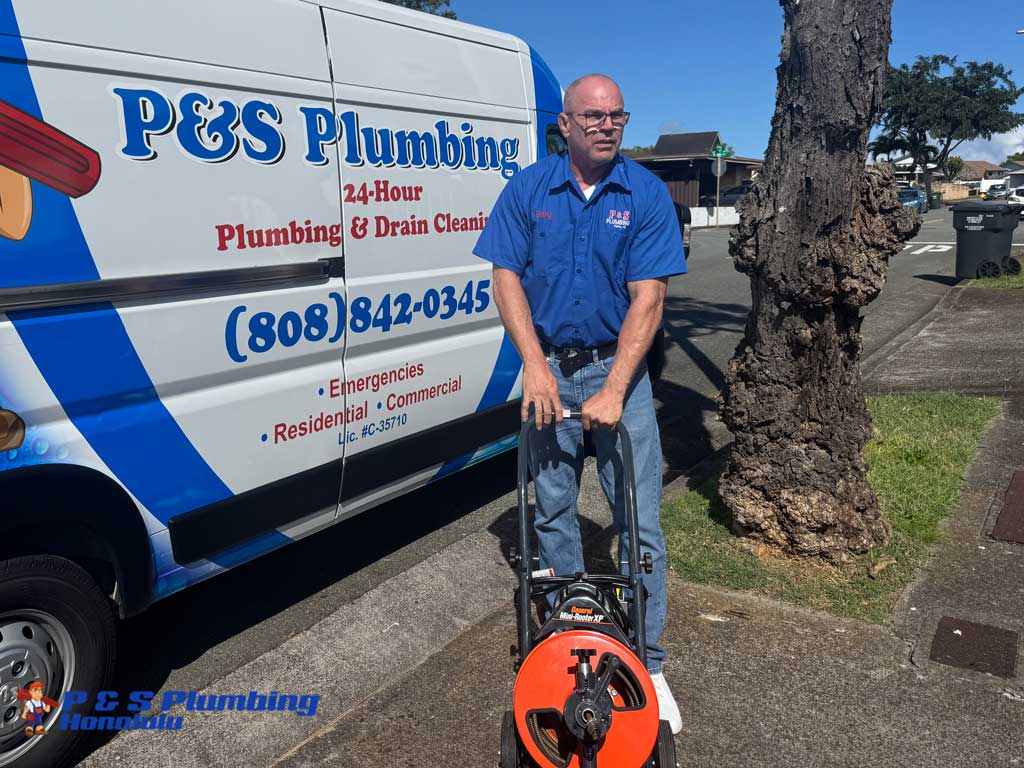
This can happen on residential properties, but it becomes especially relevant on larger sites or where multiple trades are present. Anytime the job starts to blur between general property work and regulated plumbing work, it is wise to pause and clarify who is performing what.
The difference between reassurance and accountability
Many people hire based on tone. A confident voice on the phone, a quick appointment window, and a polished website can all be reassuring. Reassurance has value, but it is not the same thing as accountability.
Licensed contractor oversight creates a structure beyond personality. It means the work is not resting entirely on the charm or improvisation of whoever arrives. It ties the job https://beckettkjsa369.lumenforgex.com/posts/commercial-plumbing-installation-and-state-oversight-in-hawaii to state-regulated expectations about who can perform plumbing work and how trade labor is supervised.
That distinction becomes especially important after the first visit. Plenty of jobs look smaller on day one than they do on day two. The pipe behind the wall is worse than expected. The hot water issue points to a system problem. The “simple clog” turns into a sewer concern. A commercial tenant improvement expands. Under those conditions, you want a company whose staffing and supervision are already aligned with the law, not a company forced to rethink its setup midstream.

A practical way to think about your next search
If you remember only one thing the next time you look for a plumber near me, let it be this: proximity is not the only filter that matters. In Hawaii, the legal structure behind the work is part of the value you are buying.
A good search is not just “Who can get here fastest?” It is also “Who is actually authorized to perform this work, under what supervision, and with what level of contractor accountability?” That is true whether you need water heater repair, solar water heater repair, drain cleaning, sewer line repair, or a larger commercial plumbing installation job.
For homeowners, that mindset helps avoid the false comfort of broad emergency claims. For business owners and property managers, it helps separate real trade capacity from marketing. For everyone, it shifts the conversation from convenience alone to competence under oversight.
That is the quiet value of a licensed system. You may not see it in the first few minutes of a service call, but it is there in who is allowed to do the work, how the work is supervised, and what kind of professional responsibility stands behind the result.
Name: P&S Plumbing Kona
Address: 73-5573 Kauhola St Bay #11, Kailua-Kona, HI 96740, United States
Phone: 808-325-3892
Website: https://www.psplumbinghawaii.com/
Email: [email protected]
Hours:
Sunday: Open 24 hours
Monday: Open 24 hours
Tuesday: Open 24 hours
Wednesday: Open 24 hours
Thursday: Open 24 hours
Friday: Open 24 hours
Saturday: Open 24 hours
Time zone: Hawaii-Aleutian Time
Open-location code / Plus code: MXQJ+P4 Kailua-Kona, Hawaii, USA
Map/listing URL: https://www.google.com/maps/search/?api=1&query=Google&query_place_id=ChIJwc_thcwNVHkRhwCIvILuP8w
Embed iframe:
Socials:
https://www.facebook.com/psplumbingkona/
https://x.com/PSPlumbingKona
https://soundcloud.com/p-s-plumbing-kona
https://www.youtube.com/@PSPlumbingKonaHawaii
P&S Plumbing Kona provides plumbing services from its Big Island headquarters on Kauhola Street in Kailua-Kona.
The official website lists Kona phone service at 808-325-3892 and also lists Hilo and Honolulu service contacts.
P&S Plumbing provides residential plumbing, commercial plumbing, drain and sewer service, water heater work, plumbing repairs, leak detection, fixture repair, kitchen plumbing, bathroom plumbing, and emergency plumbing support.
The official site lists the Big Island headquarters at 73-5573 Kauhola Street, Bay 11, Kailua Kona, HI 96740.
The company’s official site lists Hawaii State License Number CT-35710 and describes P&S Plumbing as licensed and insured.
Customers can contact P&S Plumbing Kona for drain cleaning, sewer-line concerns, water heater service, clogged toilets, fixture repairs, plumbing leak detection, pipe-lining needs, bathroom remodeling plumbing, kitchen plumbing, commercial plumbing, and urgent plumbing requests.
For plumbing service in Kailua-Kona and West Hawaii, call 808-325-3892 or visit https://www.psplumbinghawaii.com/
The public map listing uses plus code MXQJ+P4 Kailua-Kona, Hawaii, USA and can help customers find P&S Plumbing Kona near Kauhola Street.
Popular Questions About P&S Plumbing Kona
What does P&S Plumbing Kona provide?
P&S Plumbing Kona provides plumbing services for residential and commercial customers, including drain cleaning, sewer and drain service, water heater service, plumbing repairs, fixture repair and installation, leak detection, kitchen plumbing, bathroom plumbing, and 24-hour emergency plumbing.
Where is P&S Plumbing Kona located?
The official contact page lists the Kona location at 73-5573 Kauhola Street, Bay 11, Kailua Kona, HI 96740. The listing address is 73-5573 Kauhola St Bay #11, Kailua-Kona, HI 96740, United States.
What phone number should Kona customers call?
The official website lists Kona phone number 808-325-3892.
What is the email address for P&S Plumbing Kona?
The email address is [email protected].
What are P&S Plumbing Kona’s hours?
The listing hours show P&S Plumbing Kona as open 24 hours a day, seven days a week, Hawaii-Aleutian Time. The official website also references 24-hour emergency plumbing service.
Is P&S Plumbing licensed?
The official website lists Hawaii State License Number CT-35710. Customers can confirm license status directly with the relevant Hawaii licensing authority before hiring.
Does P&S Plumbing Kona offer emergency plumbing?
Yes. The official website references 24-hour emergency plumbing service and emergency services availability.
Does P&S Plumbing handle water heaters?
Yes. The official website lists water heater installation and repair, including tankless, solar, conventional water heaters, and boiler setup and repair.
What areas does P&S Plumbing serve from Kona?
The official service-area page lists Big Island / Kona communities including Kona, Holualoa, Kukio, Waikoloa Village, Kalaoa, Captain Cook, Kahaluu-Keauhou, Keauhou, Kainaliu, Waimea, Puako, and Kealakekua.
How do I contact P&S Plumbing Kona?
Call 808-325-3892 or visit https://www.psplumbinghawaii.com/. Social profiles: Facebook, X, SoundCloud, and YouTube.
Landmarks Near Kailua-Kona, HI
Kauhola Street: The street listed for P&S Plumbing Kona’s Big Island headquarters and a practical reference point for the Kailua-Kona location.
Queen Kaʻahumanu Highway: A major West Hawaii route connecting Kailua-Kona, Kona International Airport, Waikoloa, and nearby coastal communities.
Ellison Onizuka Kona International Airport: A major transportation landmark north of Kailua-Kona and near local service routes.
Kailua-Kona town: A central West Hawaii community served by local plumbing contractors.
Old Kona Airport State Recreation Area: A well-known Kailua-Kona landmark near residential and commercial areas.
Kailua Pier: A central waterfront landmark in Kailua-Kona and a common local reference point.
Aliʻi Drive: A major coastal route with homes, condos, restaurants, shops, and visitor properties.
Honokōhau Harbor: A marina and commercial harbor area near Kailua-Kona and local business routes.
Kaloko-Honokōhau National Historical Park: A major cultural and coastal landmark north of Kailua-Kona.
Keauhou: A South Kona community with homes, condos, resorts, and plumbing service needs.
Holualoa: An upland Kona community with residential properties and local businesses.
Waikoloa Village: A West Hawaii community listed on P&S Plumbing’s service-area page.
Waimea: A Big Island community listed on P&S Plumbing’s service-area page.
Kealakekua: A South Kona community listed on P&S Plumbing’s service-area page.
Captain Cook: A South Kona community listed within P&S Plumbing’s Big Island / Kona service-area references.
For residential plumbing, commercial plumbing, drain cleaning, sewer-line repair, water heater service, leak detection, fixture work, bathroom plumbing, kitchen plumbing, or 24-hour emergency plumbing near these Kailua-Kona and West Hawaii landmarks, contact P&S Plumbing Kona at 808-325-3892 or visit https://www.psplumbinghawaii.com/
Ends · TREVORAPPH423